
Regular exercise can improve your strength, endurance, and overall health, but training too hard without allowing enough time for recovery can have the opposite effect. Overtraining can leave you feeling constantly tired, struggling to maintain your usual performance, or dealing with recurring muscle soreness. Recognising the signs early can help you adjust your routine, give your body the recovery it needs, and explore how services such as Tsawwassen massage therapy can support your overall approach to exercise and physical well-being.
Overtraining & Recovery
Overtraining occurs when the physical demands of exercise consistently exceed your body's ability to recover. It can happen when you train too frequently, increase your workout intensity too quickly, or fail to allow enough time between demanding sessions. Although challenging yourself is part of improving fitness, your body also needs adequate recovery to adapt to exercise.

During recovery, your muscles repair and rebuild, your energy stores are replenished, and your body adapts to the demands of training. Without enough rest, fatigue can accumulate, making it harder to maintain your usual performance and increasing the risk of injury.
5 Signs of Overtraining
Knowing what to look out for can help you recognise when your training routine may be placing too much demand on your body. Here are five signs worth paying attention to.
1. Persistent Muscle Soreness and Fatigue
Some muscle soreness after exercise is normal, particularly when trying a new activity or increasing workout intensity. However, soreness that continues for several days, returns frequently, or becomes more intense may suggest that your body is not getting enough recovery time.
You may also feel unusually tired throughout the day, even after getting a full night's sleep. If everyday activities begin to feel more physically demanding than usual, consider whether your current training schedule is allowing enough time for recovery.
2. Declining Workout Performance
One of the more noticeable signs of overtraining is a decline in exercise performance. You may find that you cannot lift your usual weights, complete your regular running distance, or maintain the same workout intensity.
You might also need longer breaks between sets or struggle to complete exercises that previously felt manageable. Rather than responding by training harder, consider whether accumulated fatigue is affecting your ability to perform.
3. Changes in Sleep Patterns
Intense training can affect your sleep, particularly when you exercise frequently without sufficient recovery. You may experience difficulty falling asleep, wake up several times during the night, or feel tired even after spending enough time in bed.
Poor sleep can also make recovery more difficult because your body relies on adequate rest to repair tissues and restore energy. If your sleep patterns have changed alongside other signs of overtraining, your exercise routine may need adjustment.
4. Increased Irritability and Reduced Motivation
Overtraining does not only affect your muscles. It can also influence your mood and motivation. You may become more irritable, feel mentally exhausted, or lose interest in workouts you previously enjoyed.
For example, you might begin to dread your usual training sessions or struggle to find the motivation to exercise. When this happens alongside persistent fatigue and declining performance, it is worth considering whether you need more time away from intense physical activity.
5. Frequent Minor Illnesses or Recurring Injuries
Repeatedly exercising without enough recovery may place additional stress on your body. You might notice that you seem to catch minor illnesses more frequently or that small injuries keep returning.
Recurring muscle strains, joint discomfort, and other exercise-related injuries may also indicate that your training load needs to be reviewed. Continuing to exercise through pain can make an existing problem worse, so persistent or worsening symptoms should be assessed by an appropriate healthcare professional.
Tips to Help Your Body Recover From Overtraining
If you are already experiencing signs of overtraining, continuing with the same exercise routine may make recovery more difficult. The first step is to reduce the demands on your body and give it time to recover. The following approaches can help.
Reassess Your Training Routine and Recovery Needs
Give your body time to recover by adjusting your workout frequency, duration, and intensity. This may involve taking a break from strenuous exercise, incorporating lighter activities, or allowing more rest between demanding sessions. Pay attention to your sleep, nutrition, energy levels, and muscle soreness, as these all influence how well you recover.
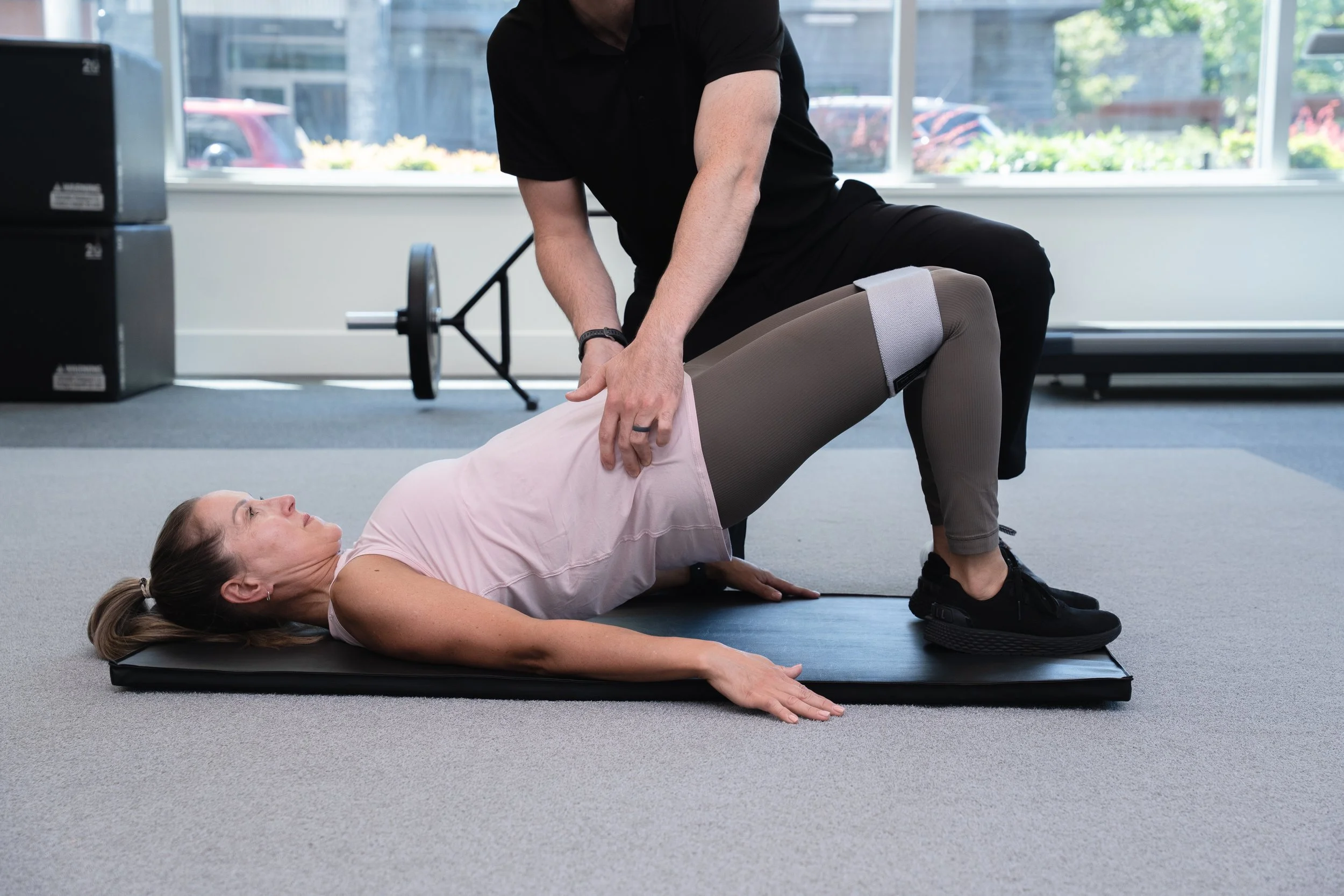
When you return to training, increase activity gradually rather than trying to make up for missed workouts. If you need help finding the right balance, our personal training team at Monument Health in Tsawwassen can help you assess your fitness goals, improve your technique, and develop a sustainable exercise plan that supports both performance and recovery.
Consider Tsawwassen Massage Therapy for Muscle Tension
Intense exercise and repetitive movements can leave muscles feeling tight, sore, or uncomfortable. Massage therapy may help ease muscle tension and improve comfort, making everyday movement feel more manageable.
A Registered Massage Therapist (RMT) can assess your areas of discomfort and use appropriate techniques based on your needs. If you are looking for an RMT in Tsawwassen, consider whether massage therapy could complement your recovery routine.
It is important to remember that massage therapy does not treat overtraining itself or replace adequate rest. If you are experiencing persistent fatigue, declining performance, or recurring injuries, you may need a broader assessment rather than massage alone.
Revisit Your Sleep and Nutrition Habits
Your recovery routine should extend beyond the time you spend away from the gym. Make sleep a priority and aim for consistent rest each night. Review your meals and hydration habits to ensure you are getting enough energy and nutrients to support your activity level.
If you are struggling with persistent fatigue or unexplained changes in your physical performance, speak with a healthcare professional to explore possible contributing factors.
Seek Professional Assessment if Symptoms Persist
If your symptoms continue despite reducing your training load and allowing time for rest, consider seeking professional assessment. Persistent pain, recurring injuries, unusual fatigue, and significant changes in exercise performance may have causes that need further investigation.
A physiotherapist can assess movement difficulties, pain, and exercise-related injuries, while other healthcare professionals can help investigate symptoms that may be unrelated to training.
Some healthy practices to help prevent overtraining include:
Following a structured exercise plan suited to your fitness level.
Increasing workout intensity and duration gradually.
Scheduling regular rest days between demanding sessions.
Getting adequate sleep and eating balanced meals.
Staying hydrated before, during, and after exercise.
Monitoring changes in energy, performance, and muscle soreness.
Seeking professional guidance when adjusting your training routine.
A Holistic Approach to Training at Monument Health in Tsawwassen, South Delta
At Monument Health, we bring together personal training, massage therapy, and physiotherapy to support different aspects of physical health and fitness.
Work with a personal trainer to help you establish realistic goals, improve your exercise technique, and follow a structured programme suited to your abilities. Our Registered Massage Therapists provide customised treatments to address muscle tension and physical discomfort, while our physiotherapy services support the assessment and management of pain, injuries, and movement difficulties.
These services can complement one another as part of a balanced approach to exercise. Whether you want to build a more appropriate training routine, address recurring muscle discomfort, or get professional guidance after an injury, our team can help you explore the support that suits your needs.
If you are looking for personal training, physiotherapy, or Tsawwassen massage therapy, contact Monument Health to learn more about our services and book an appointment.
Frequently Asked Questions About Massage Therapy in Tsawwassen
-
Normal post-workout soreness generally improves over a few days and is often associated with the muscles you exercised. Overtraining may involve persistent fatigue, declining performance, disrupted sleep, and soreness that does not improve adequately with rest. If your symptoms continue or worsen, consider getting a professional assessment.
-
Massage therapy may help ease muscle tension and provide temporary relief from exercise-related discomfort. An RMT can adapt treatment to your needs and the areas causing discomfort. However, massage is not a substitute for rest and does not treat overtraining itself.
-
There is no single schedule that works for everyone. Your treatment frequency depends on your activity level, physical needs, areas of discomfort, and response to treatment. Your RMT can discuss an appropriate schedule based on your circumstances.
-
Direct billing may be available for eligible extended health insurance plans. Coverage and reimbursement depend on your provider and individual policy. Contact Monument Health before your appointment to confirm whether your plan is supported and what information you need to bring.
-
We are located at 102–1777 56th Street, Delta, BC V4L 2B2, in Tsawwassen. Parking is available at ground level and in designated visitor stalls in the parkade. We welcome patients from Tsawwassen, Ladner, and the surrounding South Delta community.