
Do you find yourself running out of energy halfway through a workout, struggling to keep up during recreational sports, or needing longer breaks between activities? Improving your endurance can help you stay active for longer and feel more capable during physical challenges. With consistent training and an exercise plan suited to your current fitness level, you can gradually build stamina, improve your conditioning, and work toward your fitness goals, whether you're new to exercise, returning to a regular routine, or looking to take your performance further.
What Is Endurance, and Why Does It Matter?
Endurance is your body's ability to sustain physical activity over time. It involves two main components: cardiovascular endurance and muscular endurance.
Cardiovascular endurance refers to how effectively your heart and lungs support sustained activity. It matters when you are running, cycling, swimming, walking uphill, or participating in a longer workout. As your cardiovascular fitness improves, you may find that you can maintain activity for longer before needing a break.
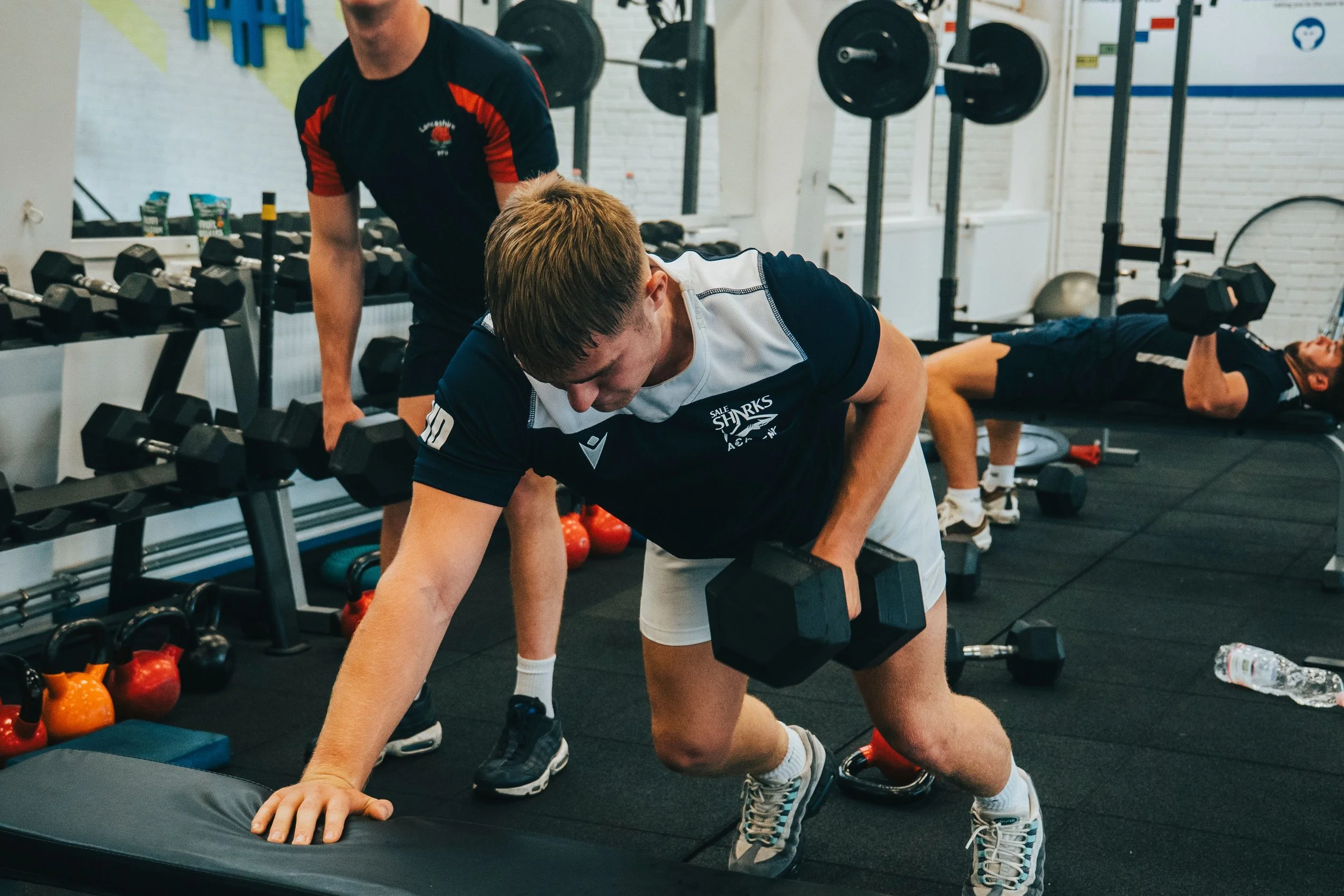
Muscular endurance is the ability of your muscles to repeatedly perform an activity or maintain an effort without tiring quickly. It plays a role in activities such as climbing stairs, carrying groceries, completing strength workouts, and maintaining good technique during sports.
Both types of endurance can affect how you feel during exercise and everyday activities. If you regularly become fatigued before reaching your workout goals, improving your conditioning may help. The key is to train consistently and give your body enough time to adapt rather than pushing yourself to exhaustion each session.
Kinesiology in Tsawwassen To Improve Endurance
Building endurance involves more than exercising harder. The right combination of activities, training intensity, and recovery can help you make steady progress. Working with a kinesiologist can provide structure and guidance as you develop your fitness.
Start With a Plan That Matches Your Fitness Level
Your training plan should reflect where you are starting, not where you hope to be in six months. Someone who is returning to exercise after a long break will have different needs from someone who already trains several times a week.
A kinesiologist can consider your activity history, current abilities, movement patterns, and goals when helping you establish a suitable exercise routine. Starting at a manageable level makes it easier to build consistency while reducing the likelihood of doing too much too soon.
At Monument Health, our one-on-one kinesiology sessions focus on understanding your goals and developing a personalized exercise plan. This gives you a clearer starting point and a way to progress as your fitness changes.
Build Stamina Through Progressive Training
Your body adapts to exercise over time. As an activity becomes more manageable, you can gradually increase the challenge by extending your workout, adjusting the intensity, or adding resistance.
For example, if you are building endurance for longer walks or runs, you might begin with shorter sessions and increase your duration as your fitness improves. If your goal is to complete a strength workout without tiring as quickly, you might focus on appropriate resistance, repetitions, and rest periods.
Increasing every part of your training at once can leave you overly fatigued and make recovery more difficult. A progressive approach allows you to build capacity while paying attention to how your body responds.
Develop Cardiovascular Fitness and Muscular Endurance
A well-rounded endurance program may combine aerobic exercise with strength training.
Activities such as brisk walking, cycling, swimming, and jogging can help develop cardiovascular fitness. You can choose an activity that suits your current ability and gradually adjust its duration or intensity.
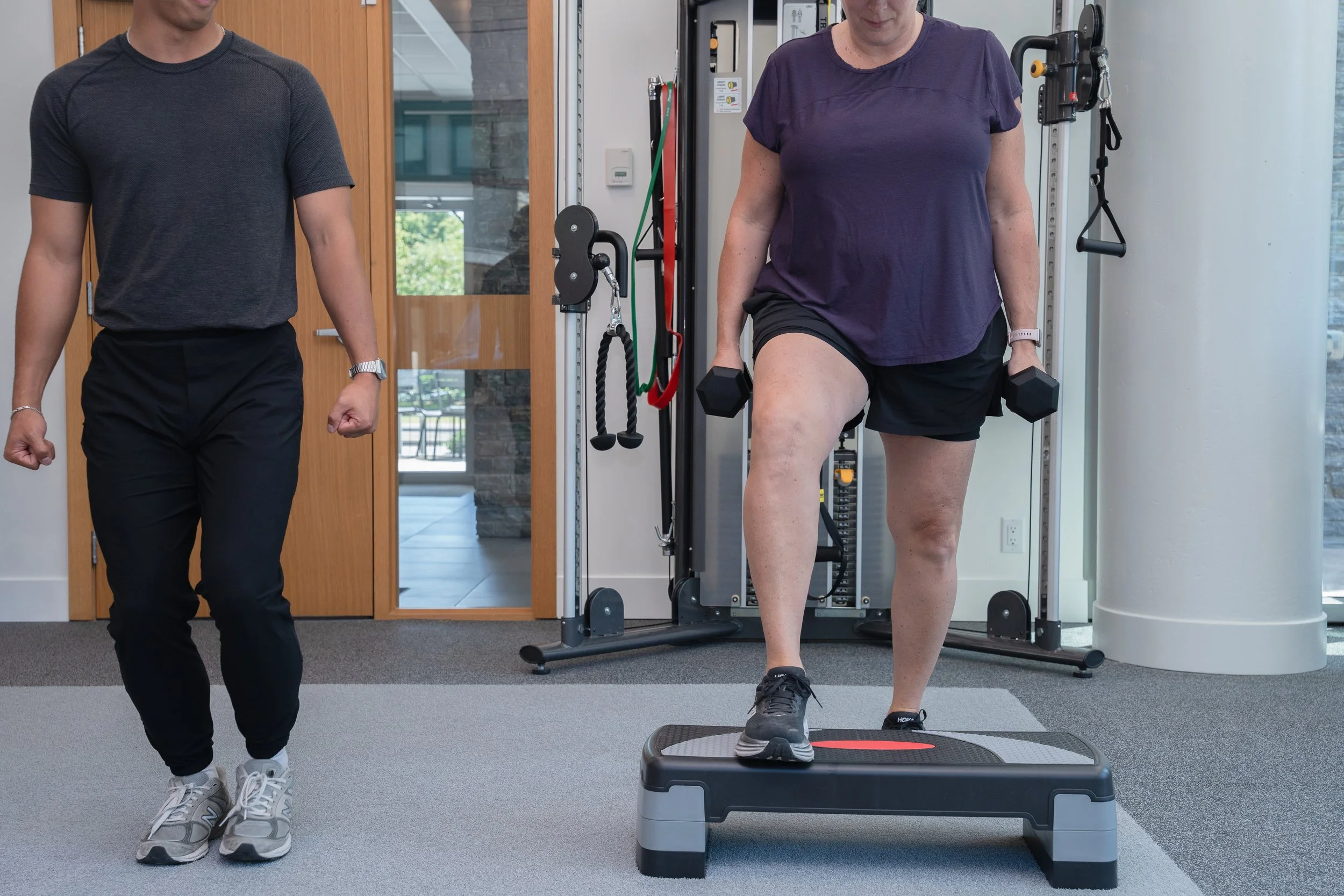
Strength exercises also have a place in endurance training. Squats, step-ups, rows, and other resistance exercises can help develop the muscular capacity needed for repeated movements and sustained activity. The appropriate exercises and training volume depend on your goals, experience, and physical abilities.
Kinesiology in Tsawwassen can help you understand how these different forms of exercise fit together. With professional guidance, you can work toward improving your conditioning without relying on guesswork or constantly changing your routine.
Five Everyday Habits That Support Better Endurance
Your workouts are only one part of improving stamina. Everyday habits can also influence how consistently you train and recover.
Build consistency into your week. Choose a realistic exercise schedule you can maintain. Regular, manageable sessions are generally more useful than occasional workouts that leave you exhausted.
Increase activity gradually. Give yourself time to adapt before making workouts longer or more intense. Small increases can help you build confidence and maintain momentum.
Make recovery part of your plan. Rest days and easier sessions allow your body to recover between harder efforts. If fatigue continues to build, consider adjusting your training load.
Support your body with sleep, food, and hydration. Adequate sleep, sufficient nutrition, and appropriate fluid intake help support the demands of regular physical activity.
Track your progress. Notice how long you can sustain an activity, how challenging a workout feels, and how well you recover afterward. You may see improvements in these areas before you notice major changes in speed or distance.
You do not need to change everything at once. Choose one or two habits to focus on and build from there.
Make Kinesiology in Tsawwassen Part of Your Fitness Routine
Whether you want to finish your workouts with more energy, keep up during recreational sports, or return to exercise after a period of inactivity, having a clear plan can help you work toward your goals.
At Monument Health, our kinesiology services are designed around your individual needs. You will work one-on-one with our kinesiologist, Ethan Mangilit, who can help you establish an exercise plan, focus on proper technique, and progress through guided, goal-driven sessions. Our approach is suitable for people looking to improve functional strength and sports performance, as well as those who need structured active rehabilitation.
You do not need to be an experienced athlete to benefit from professional guidance. Starting with exercises that match your current ability can help you develop a routine you feel confident maintaining. If you have an injury, ongoing pain, or a medical concern that affects exercise, speak with an appropriate healthcare professional about the best starting point.
If you are ready to work on your stamina, we invite you to connect with Monument Health. We can help you explore our kinesiology services and take the next step toward your fitness goals.
Ready to get started? Visit our kinesiology services page to learn more or contact us to book a session.
Frequently Asked Questions About Tsawwassen Kinesiology For Building Endurance
-
Look for changes in how your body responds to familiar activities. You might be able to walk, cycle, or exercise for longer, complete the same workout with less perceived effort, or recover more comfortably between sets. Track your progress over several weeks rather than judging it by a single session.
-
Yes. Kinesiology can help beginners establish a manageable starting point, learn appropriate exercise techniques, and build a routine around their goals and current abilities. You do not need to be fit before seeking guidance.
-
Kinesiology can help you establish a gradual return-to-exercise plan based on your current abilities and goals. A kinesiologist can guide exercise selection, technique, and progression so you can build consistency without trying to resume your previous training level immediately. If you are returning after an injury or illness, consult your healthcare provider about any necessary precautions.
-
No. Kinesiology can support people who want to improve functional strength, movement, conditioning, or sports performance. It is also used for active rehabilitation when appropriate. If you have a new or undiagnosed injury, a physiotherapy assessment may be the better first step.
-
Monument Health offers direct billing for kinesiology through many providers, including ICBC for eligible services. Coverage through extended health benefits varies by plan, so check with your insurer and contact our team to confirm your eligibility before your appointment.