
Heel Pain After Running? When to Consider Tsawwassen Physiotherapy
Running is a great way to stay active, but heel pain can make it difficult to maintain your routine. You might notice discomfort after a long run, stiffness when you get out of bed, or pain that returns every time you increase your distance.
Heel pain can develop for several reasons, including irritation of the plantar fascia, Achilles tendon problems, and changes in training load. While mild discomfort may settle with appropriate adjustments, persistent or worsening pain deserves attention.
Runners struggling with heel pain can visit a Tsawwassen Physiotherapy clinic to look into what may be contributing to their symptoms and determine an appropriate approach to recovery. Recognizing common causes and knowing when to seek help can make it easier to return to running safely.

What Causes Heel Pain After Running?
The location of your pain, when it occurs, and how it changes with activity can provide useful clues about its possible cause. However, symptoms alone cannot confirm a diagnosis.
Plantar Fasciitis
The plantar fascia is a strong band of tissue that runs along the bottom of your foot and helps support its arch. When this tissue becomes irritated, it can cause pain around the bottom of the heel. You may notice discomfort with your first steps in the morning or after sitting for a while. Running, prolonged standing, and other weight-bearing activities may also aggravate symptoms.
Achilles Tendinopathy
The Achilles tendon connects your calf muscles to your heel bone and helps you push off the ground when walking or running. Repeated loading can contribute to tendon pain and stiffness, particularly when training demands increase faster than your body can adapt. Pain is often felt toward the back of the heel or slightly above it. You may notice stiffness after resting or discomfort when running, climbing stairs, or pushing off your foot.
Training Load and Footwear
Sometimes, heel pain develops after a change in your running routine. Increasing your mileage, adding speed sessions, running more hills, or returning to training after a break can place additional demands on your feet and lower legs. Footwear changes and insufficient recovery may also contribute. These factors do not necessarily mean your shoes or training plan are the sole cause, but reviewing recent changes can help identify possible contributors.
When Should You Seek Help for Heel Pain?
Occasional discomfort may improve when you reduce activities that aggravate it, but pain that repeatedly returns deserves attention. Consider arranging an assessment if your heel pain persists, worsens during runs, affects your walking pattern, or prevents you from completing your usual activities comfortably. Pay attention to whether symptoms are becoming more frequent or starting earlier in your runs. Continuing to increase your training despite worsening pain may make recovery more difficult. Some symptoms require prompt medical assessment rather than a routine physiotherapy appointment. Seek urgent care if you experience sudden, severe heel pain, a popping sensation followed by difficulty walking, significant swelling, or an inability to bear weight. These symptoms can indicate a more serious injury.
How Tsawwassen Physiotherapy Can Help With Heel Pain
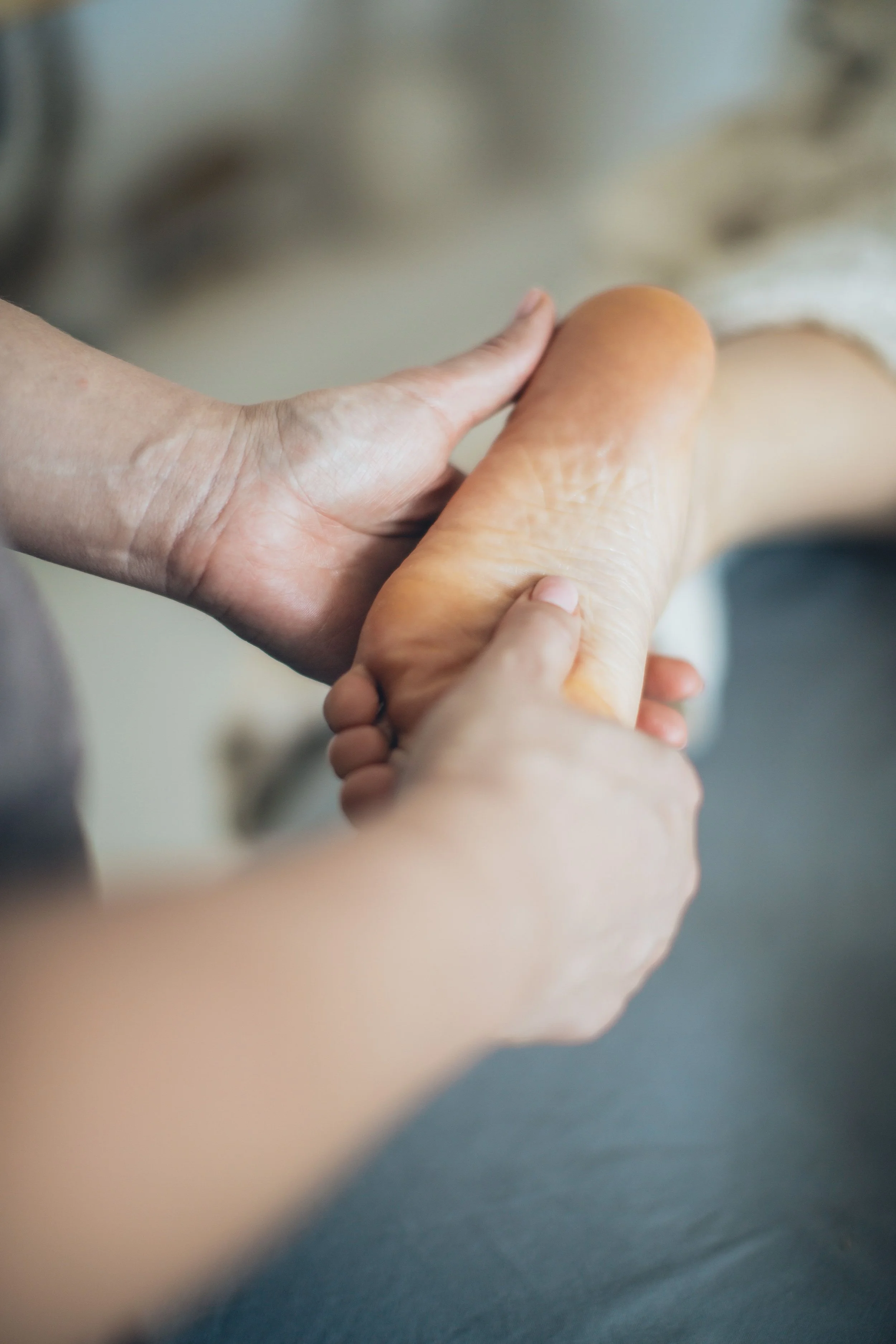
When heel pain interferes with running, physiotherapy can help you understand the problem and plan your recovery. At Monument Health, physiotherapy includes an individual assessment to evaluate your symptoms, movement, and relevant training history before developing an appropriate treatment plan.
Identify Possible Contributing Factors
A physiotherapist can assess where your pain occurs, when it started, and which activities aggravate it. They may also examine your ankle movement, calf strength, foot function, and running-related demands to help determine what needs attention.
This assessment can help guide the next steps and identify whether further medical investigation is necessary.
Adjust Your Training While You Recover
You may not need to stop every form of physical activity, but you might need to temporarily reduce running distance, intensity, hills, or other activities that worsen your symptoms.
Your physiotherapist can help you identify suitable modifications based on your presentation and recovery. Maintaining comfortable, appropriate activity can help you avoid placing unnecessary demands on the affected tissues.
Rebuild Strength and Mobility
Depending on the cause of your heel pain, rehabilitation may include exercises for the calf muscles, foot, ankle, and other relevant areas of the lower limb. Your program should reflect your individual needs rather than relying on the same exercises for every runner.
Sports Rehab in Tsawwassen can also be relevant when your goal is to return to running after an injury. Rehabilitation can progress toward the strength, control, and tolerance needed for your usual training.
At Monument Health, physiotherapy is provided through one-on-one sessions, with treatment tailored to your injury and goals. If heel pain keeps interrupting your runs, consider booking an assessment to discuss your symptoms and the next steps toward recovery.
Frequently Asked Questions About Tsawwassen Physiotherapy for Heel Pain
-
Return gradually rather than immediately resuming your previous mileage or intensity. Increase your training according to your symptoms and recovery, allow time between demanding sessions, and follow any strengthening or mobility program recommended for your injury. If pain returns or worsens, reduce the aggravating activity and seek advice.
-
Yes. According to Monument Health, you do not need a doctor's referral to see a physiotherapist in British Columbia. However, some extended health insurance plans may require a referral or doctor's note for reimbursement, so check your policy before your appointment.
-
Yes. A sudden increase in mileage, intensity, or hill training can increase the demands placed on the foot and Achilles tendon. This may contribute to symptoms, particularly when recovery time is limited. Training changes are one possible factor, so persistent pain should still be assessed to determine its cause.
-
Applying a cold pack wrapped in a towel for a short period may provide temporary relief from pain. Avoid placing ice directly on your skin, and stop if you experience excessive discomfort or skin irritation. Ice may help manage symptoms, but it does not identify or resolve the underlying cause of heel pain.
-
Monument Health is located at 101-102 1777 56th Street, Tsawwassen, Delta, BC V4L 2B2, near Tsawwassen Town Centre Mall. You can book an appointment through the Monument Health contact page or call 604-813-9716. The clinic also offers online booking.