
Which Works Best for Mobility: Strength Training or Yoga in Tsawwassen?
If you want to move more freely, two options that often come up are yoga and strength training. Both can support mobility, but they do so in different ways. Yoga may help you work on flexibility, balance, and controlled movement, while strength training can help you develop the strength and stability needed to control your body through a wider range of motion.
So, which one should you choose? The answer depends on your goals, your current fitness level, and whether pain or an injury is affecting the way you move.
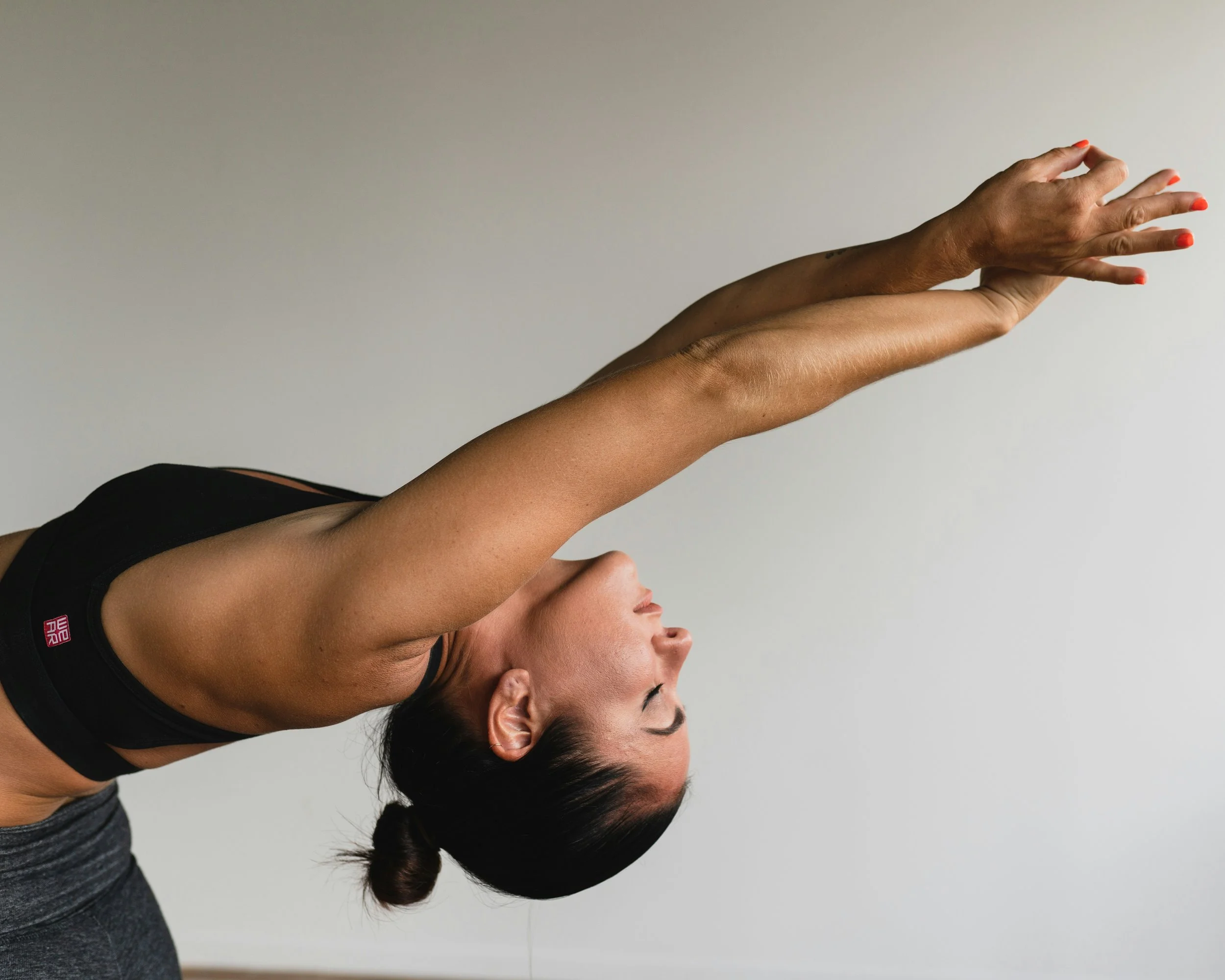
Exploring Yoga in Tsawwassen for Mobility and Flexibility
Tsawwassen yoga services can be a useful option for people who want to work on flexibility while becoming more comfortable with different movements and positions. Yoga takes the body through a variety of controlled positions. Depending on the style and movements involved, a session may challenge your flexibility, balance, coordination, and body awareness. Regular practice can also encourage you to pay closer attention to how your body feels as you move.
For someone who spends much of the day sitting, for example, incorporating movement and stretching into a regular routine may help address feelings of stiffness. Yoga can also be a practical way to make mobility work part of a broader fitness routine.
However, flexibility is only one part of mobility. Being able to reach a particular position does not necessarily mean you have the strength and control to use that range of motion during everyday activities or exercise. That is where strength training can complement yoga.
How Strength Training Can Improve Mobility
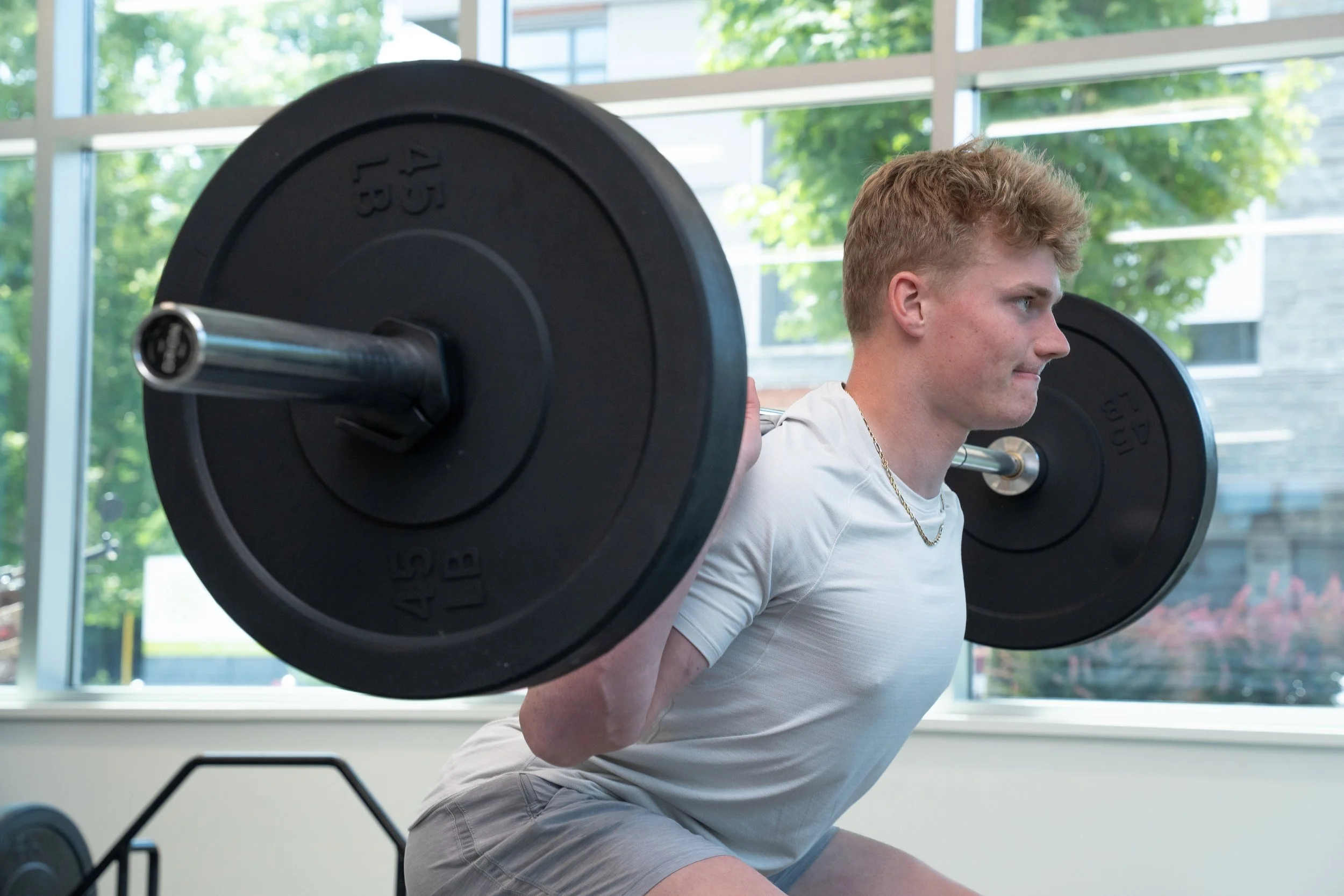
Strength training is often associated with building muscle, but it can also play an important role in mobility. When you strengthen muscles through an appropriate range of motion, you are working on your ability to control your body as you move. Stronger muscles can help support joints and provide greater control during movements such as squatting, reaching, lifting, stepping, and bending.
For example, someone working on hip mobility may benefit from exercises that strengthen the muscles around the hips and legs. Similarly, exercises that strengthen the shoulders and upper back can support controlled movement when reaching or lifting.
Strength training can also be adjusted to suit different fitness levels. A beginner may start with simple bodyweight movements, while someone with more experience may gradually increase resistance and exercise difficulty. If you are unsure which exercises are appropriate for your goals, Personal training services in your region can help provide individualized exercise guidance. A personal trainer can help structure a program around your current ability and goals.
Tsawwassen Yoga vs. Strength Training: Which Is Better for You?
There is no single answer that applies to everyone.
If your main concern is flexibility and you enjoy slower, controlled movement, yoga may be a good addition to your routine. If you want to build strength while improving your ability to control movement, strength training may be more appropriate.
Your current activities also matter.
Someone who enjoys walking, gardening, recreational sports, or other active hobbies may need a combination of strength, flexibility, balance, and coordination. In that situation, relying exclusively on one type of exercise may not address every aspect of movement.
For some people, combining yoga and strength training can make sense. Yoga can provide opportunities to work on flexibility and movement awareness, while strength training can help develop the muscular control needed to use that mobility.
Your starting point matters, too. If you have not exercised regularly, it is usually better to begin at a manageable level and gradually increase the challenge rather than trying to make rapid changes.
Most importantly, mobility training should not consistently cause pain. If you are experiencing pain or have recently been injured, the question may not simply be whether yoga or strength training is better. You may first need to understand what is causing the restriction.
If you’re unsure which approach is right for your goals, Monument offers both personal training and yoga to support different aspects of movement and fitness. Personal training provides individualized guidance to help you build strength, improve movement patterns, and work toward specific goals. Monument also offers group yoga classes where you can explore mobility, flexibility, balance, and body awareness in a supportive setting and at your own pace. Together, these options can make it easier to build a balanced fitness routine around the way you want to move and feel.
How to Improve Mobility Safely
Whether you choose yoga, strength training, or a combination of both, a few basic principles can help you approach mobility work safely.
Start at your current level. Choose movements that match your present fitness and mobility rather than trying to copy someone else's range of motion.
Increase difficulty gradually. Give your body time to adapt before adding more resistance, repetitions, or challenging positions.
Do not force painful movements. A stretch or exercise may feel challenging, but sharp or persistent pain is a reason to stop and reassess the movement.
Work on both flexibility and strength. Having a large range of motion is useful, but being able to control that movement is also important.
Stay consistent. Occasional stretching or exercise is less likely to produce meaningful changes than a sustainable routine you can maintain.
Consider your overall activity. Your mobility needs may be different if you spend most of your day sitting compared with someone who regularly plays sports or performs physical work.
Get professional guidance when needed. If you are dealing with ongoing pain, an injury, or a significant restriction in movement, an individualized assessment can help determine what approach is appropriate.
Should You Visit a Tsawwassen Physiotherapist for Mobility Problems?
Not every mobility problem is simply a matter of needing more stretching. Pain, injury, weakness, or other movement limitations can affect how you move. If your mobility has changed following an injury, if pain is preventing you from exercising, or if a restriction continues despite your efforts to address it, physiotherapy may be appropriate.
A physiotherapist can assess your movement and help determine which areas may need attention. Depending on your situation, treatment may include exercise and active rehabilitation alongside other appropriate physiotherapy techniques. Monument Health and Physiotherapy is a great choice for people in the local community. We offer physiotherapy as well as kinesiology, personal training, yoga, and registered massage therapy.
If you simply want to become more active, you may benefit from exercise guidance, while if you’re dealing with an injury or persistent pain may need physiotherapy assessment before progressing their exercise routine. As you search for a Tsawwassen physiotherapy clinic, the most important consideration is finding care that matches the reason your mobility has changed and the activities you want to return to.
Frequently Asked Questions About Tsawwassen Yoga and Strength Training
-
Neither is universally better. Strength training can help develop control and strength through a range of motion, while yoga can provide opportunities to work on flexibility and movement. Your goals and current physical condition should guide your choice.
-
Yes. Combining the two can give you opportunities to work on flexibility, movement control, strength, and general fitness. Your routine can be adjusted according to your goals and current ability.
-
There is no single schedule that suits everyone. Consistency is more important than trying to do a large amount of mobility work at once. Mobility exercises can be incorporated into warm-ups, workouts, yoga sessions, or other regular activities.
-
Strength training performed through an appropriate range of motion can support functional mobility. It can help you develop the strength and control needed to use your available range of motion during movement.
-
If limited mobility is persistent, painful, related to an injury, or interfering with your normal activities, a physiotherapy assessment may be worthwhile. A professional can help determine what may be contributing to the restriction and develop an appropriate plan.
-
Monument Health and Physiotherapy provides physiotherapy alongside kinesiology, personal training, yoga, and registered massage therapy. These services can support different needs, from general fitness and movement goals to rehabilitation following an injury.