
Poor Workout Recovery? 5 Signs to See a Tsawwassen Physiotherapy Clinic
A good workout should challenge your body. It may leave your muscles tired, your heart rate elevated and your energy lower for a few hours. That is normal. What should raise concern is when soreness, stiffness, weakness or fatigue keep dragging on long after your training session is over.
Recovery is where your body adapts to exercise. Muscles repair, joints settle, inflammation reduces and your nervous system returns to a more balanced state. When that process breaks down, performance drops and injury risk increases. For active people in the region, getting help early through Tsawassen sports therapy options can make the difference between a short adjustment and a long layoff. Whether you lift weights, run, play pickleball, train for hockey, golf on weekends or attend fitness classes, these are five signs your body may need more support than rest alone can provide.
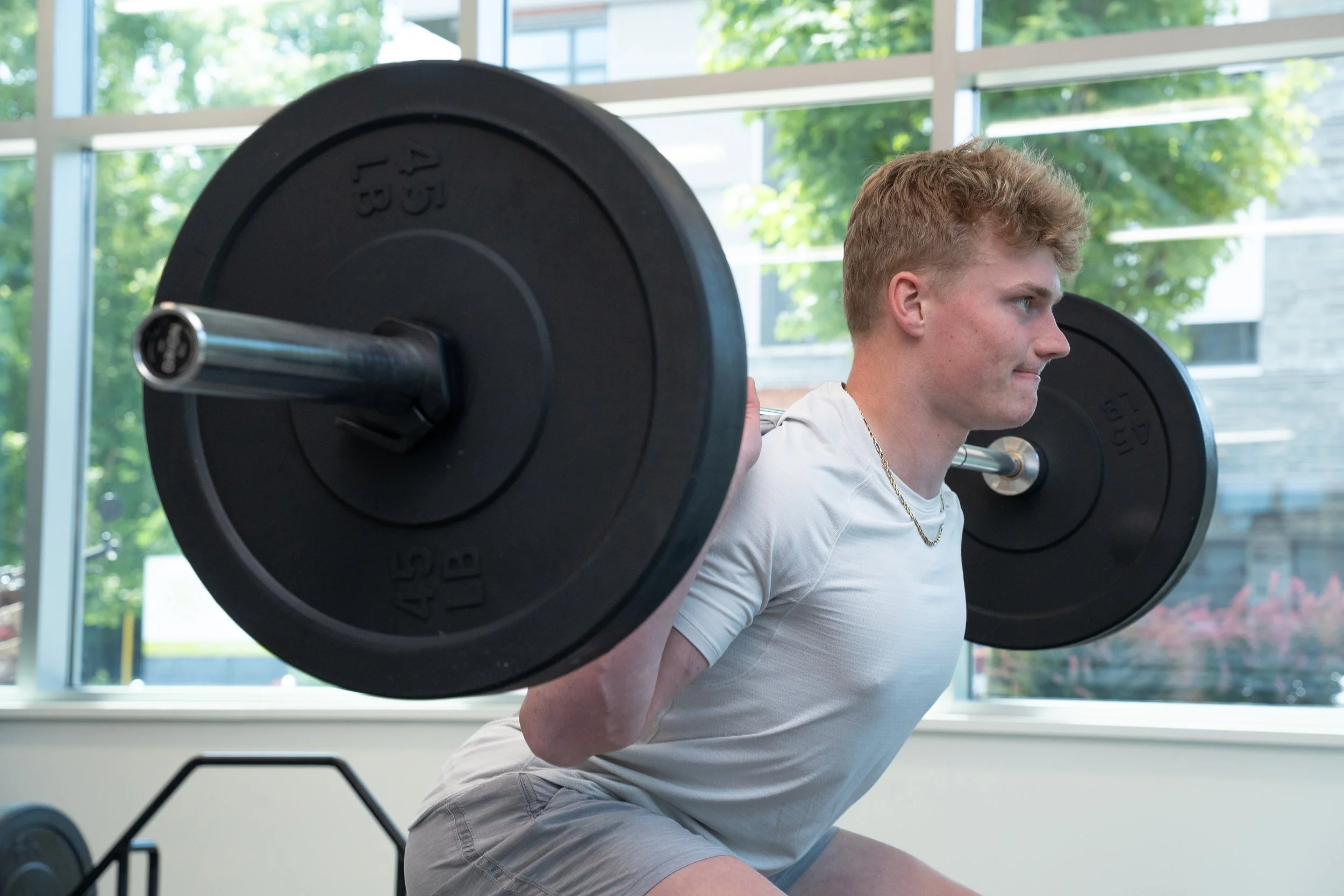
1. Lingering Pain and Persistent Muscle Soreness
Muscle soreness is a natural byproduct of exercise, but it should have a clear shelf life. If you notice the following, your body is likely struggling to heal:
Pain that lasts over 72 hours: Standard soreness typically peaks and fades within three days.
Localized "sharp" sensations: Unlike the dull ache of used muscles, sharp pain often indicates structural strain or specific conditions like sciatica.
Asymmetrical stiffness: Feeling significantly tighter on one side of your body can suggest a movement compensation.
2. A Consistent Decline in Physical Performance
If you are putting in the same effort but seeing worse results, your body is essentially "bankrupt" of resources. This performance plateau is a major indicator of overtraining. Watch for these red flags:
Lowered strength levels: Struggling with weights or resistance that were manageable two weeks ago.
Slower recovery between sets: Finding yourself winded for much longer than usual during local activities like pickleball or golf.
Lack of "pop" or explosiveness: A feeling of heaviness in your limbs during a run along the Boundary Bay dyke.
3. Poor Sleep Quality and High Resting Heart Rate
Your nervous system needs to switch from "alert" mode to "repair" mode to heal. When you overtrain, this switch gets stuck. You might experience:
Inability to fall asleep: Despite feeling physically exhausted, your mind remains wired.
Restless sleep: Interrupted sleep cycles prevent the deep rest required for tissue repair.
Morning heart rate spikes: A resting heart rate consistently higher than your normal baseline is a clear distress signal from your cardiovascular system.
4. Frequent Minor Illnesses
When your body spends all its energy trying to repair muscle tissue, your immune system can take a backseat. This makes you more susceptible to:
Persistent colds: Catching every bug that circulates through the community.
Slow-healing minor injuries: A sign that your body's systemic repair resources are depleted.
Recurring minor aches: Small pains that disappear for a day and then return immediately when you start moving.
5. Mental Fatigue and Lack of Motivation
The brain is often the first organ to realize the body is overtaxed. Psychological signs of poor recovery include:
Irritability: Feeling unusually frustrated with your workout or daily tasks.
Brain fog: Difficulty focusing on complex movements or following a training plan.
Loss of "drive": A sudden lack of interest in sports or activities you usually enjoy.
Physiotherapy in Tsawwassen for Lasting Relief
Professional intervention becomes necessary when self-directed rest no longer yields progress and your body remains in a state of discomfort. At Monument Health, our Tsawwassen Physiotherapy services provide a structured roadmap to recovery by focusing on evidence-based care. We recommend booking a session if you experience pain that persists even at rest, restricted joint mobility that limits your daily activities, or recurring "niggles" that prevent you from completing a workout.
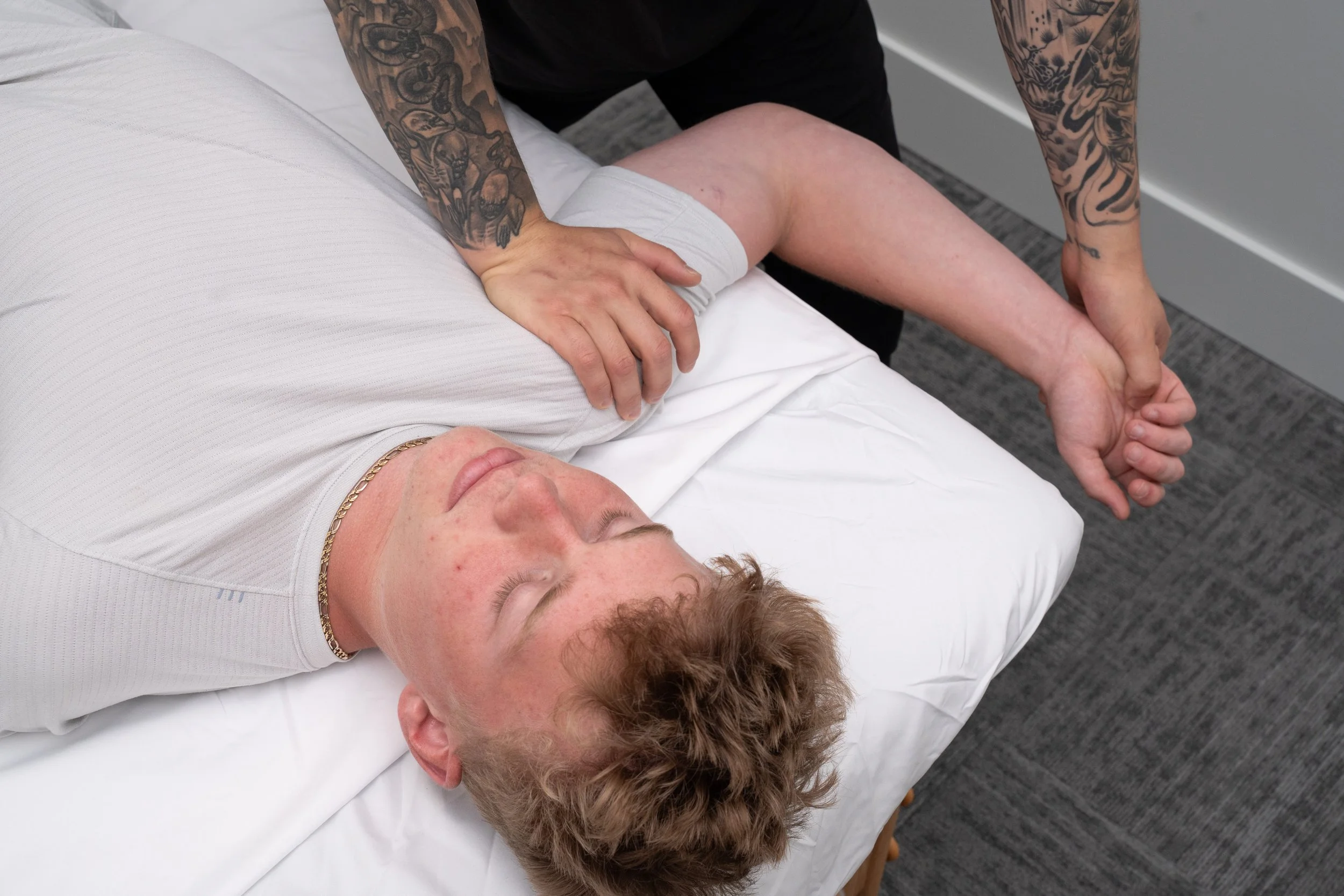
However, you do not need to wait until you are in significant pain to seek relief. Preemptive physiotherapy is a strategic way to identify biomechanical imbalances and movement dysfunctions before they manifest as a debilitating injury. By visiting our clinic during a heavy training block—such as preparing for a local soccer season or the Boundary Bay dyke run—you allow a therapist to optimize your joint mechanics and release deep-seated muscle tension.
If you are currently experiencing "under-recovery" or chronic aches, the first step is a comprehensive clinical assessment. This helps determine if your fatigue is caused by nerve irritation, muscle adhesions, or poor movement patterns that have developed over time. Our team uses a one-on-one care model to pinpoint the mechanical cause of your discomfort rather than just masking the symptoms. This practical approach helps you adjust your activity load accurately so you can find relief and continue working toward your goals without risking a long-term setback.
Monument Health, Your Local Partner for Expert Tsawwassen Physiotherapy
Choosing the right partner for your recovery determines how quickly you return to the activities you love. At Monument Health, we prioritize a one-on-one patient care model, ensuring you never feel like just another number in a crowded gym. Whether you are navigating an ICBC claim, recovering from a specific sports injury, or seeking preventative maintenance to stay active in the South Delta community, our experienced team provides the expertise needed to reach your goals. We focus on long-term pain management and active rehabilitation rather than quick fixes, helping you build the "search equity" of your own physical health. With the convenience of direct billing to most major providers and a prime location on 56th Street, we make it simple to prioritize your professional recovery.
Frequently Asked Questions About Physiotherapy in Tsawwassen
-
Yes. Physiotherapy can help identify why soreness keeps returning. The cause may involve exercise technique, training load, mobility restrictions, strength deficits, or an unresolved injury.
-
No. Physiotherapy is useful for recreational athletes, gym members, runners, golfers, pickleball players, students, weekend athletes, and anyone who wants to stay active without recurring pain.
-
Book a physiotherapy assessment if pain is sharp, swelling appears, movement feels limited, or symptoms last more than a few days. You should also seek help if the same issue keeps returning during your workouts.
-
It depends on your activity level and goals. Many active individuals benefit from a regular check-in to address minor imbalances before they become painful. If you are training for a specific event, more frequent sessions may be necessary to ensure your body handles the increased load.
-
Yes, we accept active ICBC claims for physiotherapy and kinesiology services to help you recover after an accident.